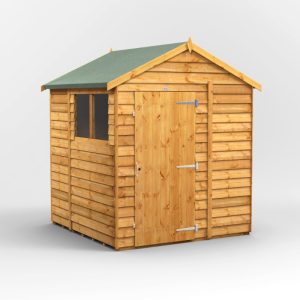
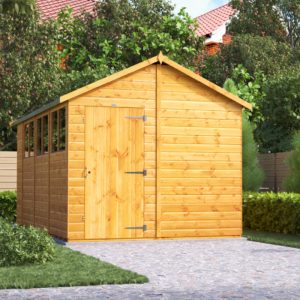
The Loxley 7′ x 10′ Shiplap Apex Shed is a great option for keeping your gardening tools and equipment safe. From lawnmowers to garden furniture, this shed is designed to securely store all your essentials. Made with 12mm shiplap cladding on a 34mm frame, a tongue and groove floor, and a roof constructed from solid sheet OSB covered with mineral felt for added protection against the elements. It comes with a single door that locks with a pad bolt and a joinery-made opening window. The shed has been dip treated in a honey brown finish and all timber is sourced from sustainable locations. Please take note that our garden buildings are pre-treated with a water-based timber treatment for transit protection. To ensure the 10-year anti-rot guarantee, it is advised to treat the timber with a high-quality, spirit-based preservative before or after assembly. This will safeguard the timber against weathering and should be reapplied as per the manufacturer’s instructions. Refer to the Terms and Conditions for further details.
The size of the shed depends on what you plan to store or use it for. Measure the items you plan to store and consider any additional space for moving around or future storage needs. Common sizes range from small (6×8 feet) for basic storage to large (12×24 feet) for workshops or extensive storage.
Sheds are typically made from wood, metal, or plastic. Wood is aesthetically pleasing and customizable but requires more maintenance. Metal sheds are durable and secure but can be prone to rust. Plastic sheds are low-maintenance and easy to assemble but may not be as sturdy as wood or metal.
Permit requirements vary by location. Check with your local building department or zoning office. Typically, small sheds (under 120 square feet) may not require a permit, but larger ones or those with electrical installations often do.
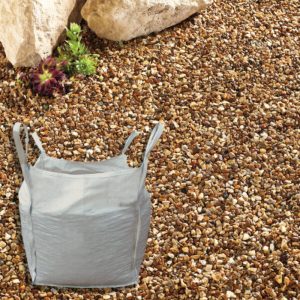
A solid foundation is crucial for stability and longevity. Options include concrete slabs, gravel bases, or wooden platforms. Choose a foundation based on your shed’s size, material, and the ground conditions of your site.
Look for sheds with features like weather-resistant materials, proper sealing, and robust construction. Ensure the shed has a good roof overhang, proper drainage, and secure locking mechanisms to protect against theft and weather damage.
Assembly time depends on the size and complexity of the shed. Small, simple sheds can be assembled in a few hours, while larger or more complex sheds may take a full day or more. Professional installation is also an option for those who prefer not to DIY.
Maintenance depends on the material. Wooden sheds need periodic painting or staining and checking for rot or pests. Metal sheds may need rust prevention treatments. Plastic sheds require minimal maintenance, typically just cleaning as needed.
Moving a shed is possible but can be challenging, especially for larger structures. It’s easier to move a smaller shed if it has a solid base. Consider the logistics and potential costs of moving before installation. If moving is likely, a portable shed might be a better option.
Many sheds come with detailed assembly instructions, making them suitable for DIY installation, especially smaller models. However, larger or more complex sheds may require professional installation to ensure they are properly and safely assembled. Assess your skill level, available tools, and the complexity of the shed before deciding.